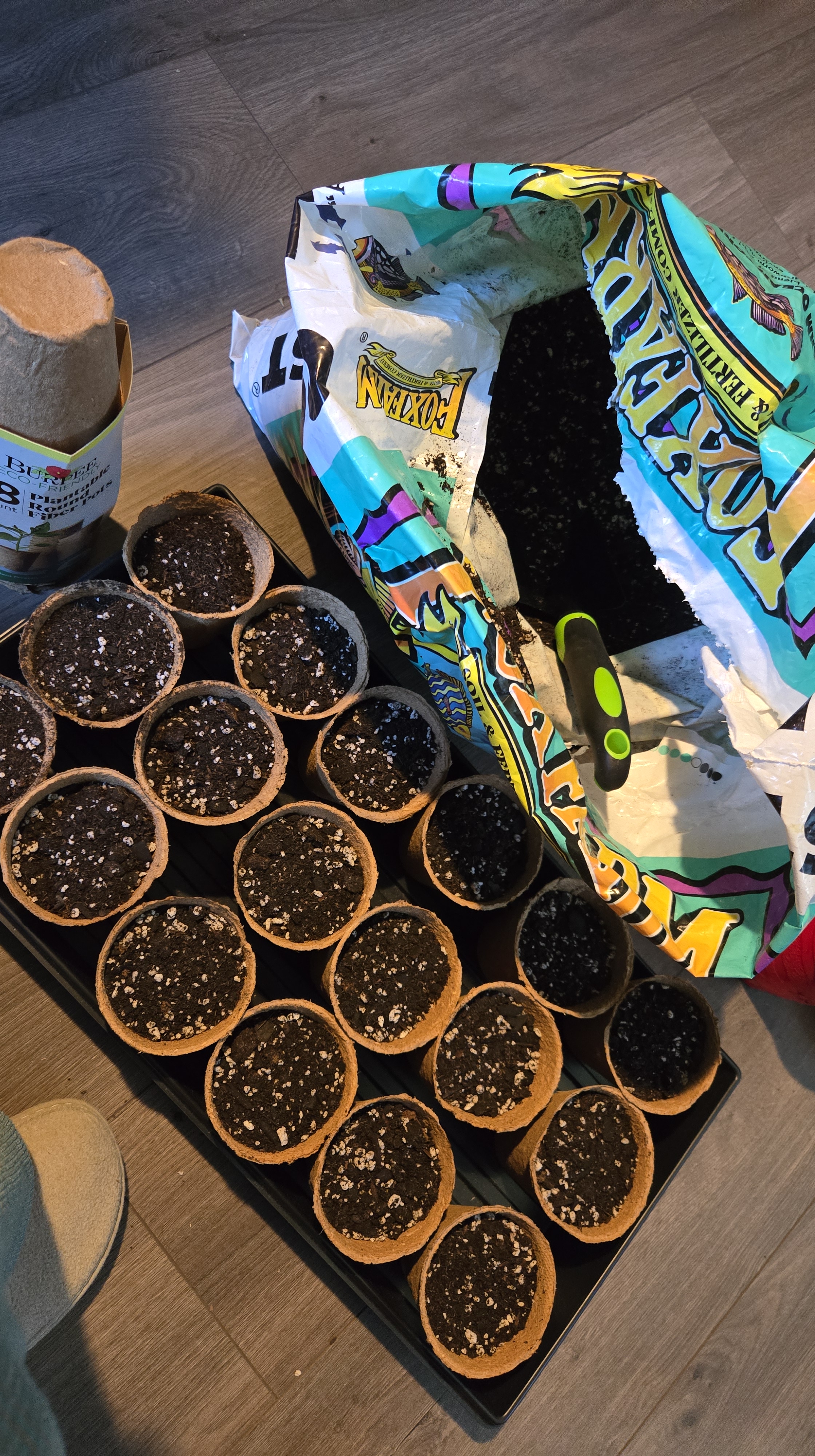
Starting your first garden is exciting, but it can also feel overwhelming if you don’t know where to begin. The good news? A successful garden doesn’t happen by accident. With a bit of planning and the right setup, you can avoid common beginner mistakes and set yourself up for a thriving, productive space.
Using expert guidance from seasoned gardening resources, here are the top seven things you should do when starting your garden.
1. Pick the Sunniest Spot Possible
Location is everything. Most vegetables and flowers thrive in full sun, meaning at least 6-8 hours of direct sunlight per day.
Take time to observe your yard throughout the day. Watch where shadows fall and avoid areas blocked by trees, fences, or buildings. A bright, open space will dramatically improve your results.
Pro Tip: Download a compass app on your phone and mark the cardinal directions (north, south, east, west) in your garden space. Then observe where the sun rises and sets – this will help you understand how light moves across your garden and where to place different plants.
2. Make Sure You Have Easy Access to Water
A garden that’s hard to water won’t stay healthy for long. Ideally, your garden should be close to a hose or water source.
If watering feels like a chore, you’re less likely to stay consistent, so convenience matters more than most beginners realize.
You can also build a simple rain barrel for very little cost and collect rainwater to use in your garden. It’s an eco-friendly option that can save money and provide plants with natural, chemical-free water.
3. Start Small (Seriously!)
One of the biggest beginner mistakes is planting too much too soon. It’s better to begin with a manageable space – like a small raised bed or a 10×10 plot, and expand later.
A smaller garden is easier to maintain, weed, and learn from, which builds confidence for future seasons.
4. Choose the Right Type of Garden Bed
Before planting, decide how you want to grow:
– Raised beds (great for drainage and organization)
– In-ground rows (traditional and budget-friendly)
– Container gardening (perfect for small spaces)
Raised beds are especially helpful if your soil drains poorly or is compacted, as they improve growing conditions right away.
5. Plan Your Layout Carefully
Don’t just plant randomly, design your garden with intention.
– Put taller plants where they won’t shade smaller ones
– Place sprawling plants (like squash) at the edges
– Keep frequently harvested crops near your home
Thoughtful layout prevents overcrowding and ensures every plant gets enough light and space.
6. Understand and Improve Your Soil
Healthy soil = healthy plants. Before planting, check your soil’s texture and drainage.
Add compost or organic matter to boost nutrients and improve structure. Avoid areas that stay soggy or collect cold air (low spots), as these can harm plant growth.
Pro Tip: For a simple, effective soil mix, combine 1/3 topsoil, 1/3 compost, and 1/3 sand. Then add a handful of earthworm castings for an extra nutrient boost – your plants will love it.
7. Think About Accessibility and Daily Care
Your garden should be easy to reach and maintain. Place it somewhere visible—ideally near your home, so you can check on it daily.
Also, include paths between beds so you can comfortably walk, weed, and harvest without stepping on your soil. Good access makes a huge difference over time.
Final Thoughts
Starting a garden isn’t about perfection, it’s about setting a strong foundation. By choosing the right location, planning your layout, and keeping things simple, you’ll avoid frustration and enjoy the process much more.
Remember: every great gardener started as a beginner. Start small, stay consistent, and let your garden grow along with your skills.
🌱 Free Resource: 5-Day Guided Garden Start Journal
If you’re ready to take action but want a little extra guidance, I created a free 5-day guided garden start journal to help you plan, map out, and actually start your garden step-by-step.
It walks you through everything, from choosing your location to building your layout – so you don’t feel stuck or overwhelmed.
Grab your free copy and start your garden with confidence!